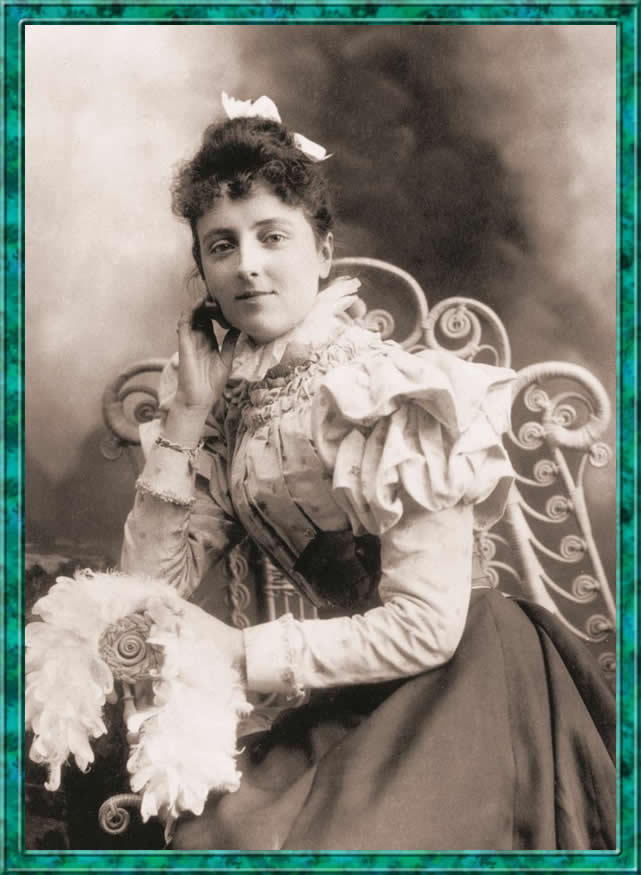
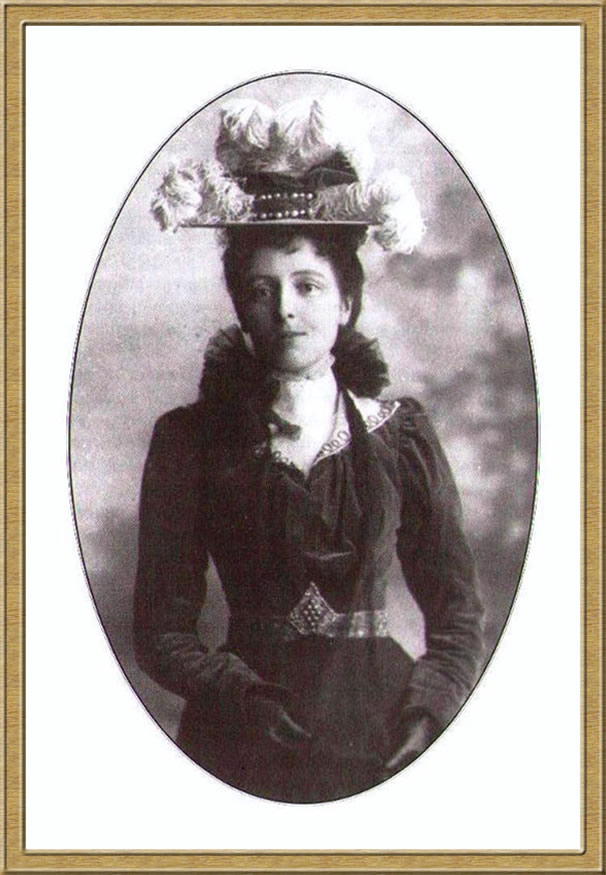
Lucy Maud Montgomery OBE: On a cold November day in 1874, a baby girl was born in a tiny village on Prince Edward Island, Canada. Her parents named her Lucy Maud Montgomery.
She would never remember her mother. Before Maud turned two, tuberculosis took Clara Montgomery's life. Her father, shattered by grief, couldn't bear to look at the daughter who had her mother's eyes. He handed the toddler to her elderly grandparents in Cavendish, moved to Saskatchewan, remarried, and started a new family. The little girl he left behind would rarely see him again.
Imagine being that child: no siblings, no warmth - just an isolated farmhouse, two stern Scottish Presbyterian grandparents, and endless silence. Young Maud's imaginative spirit constantly clashed with her grandmother's rigid discipline and her grandfather's cold expectations. So she did what lonely children throughout history have done: she created other worlds. She invented imaginary friends who understood her. She named the trees in the orchard and held conversations with them. She transformed the rolling green fields and red clay roads of Prince Edward Island into enchanted kingdoms where girls like herself could find belonging. At nine years old, she began pouring her heart into poetry and journals, giving voice to feelings she couldn't speak aloud. Books became her refuge. And she dared to dream: someday, she would be a writer. Someday, her stories would matter.
But the path to that dream was brutal. As a teenager, she briefly moved to Saskatchewan to live with her father and his new wife. It was miserable. Her stepmother resented her. Maud felt like an intruder in what should have been her own family. She returned to Prince Edward Island heartbroken - but determined. She earned her teaching license, studied literature at university, and took teaching positions she despised. But teaching paid the bills - and more importantly, it gave her time to write. By her early thirties, she had published over 100 short stories. Her pen was becoming known, but she dreamed of something bigger. Then, in 1905, she found inspiration in an old notebook entry: "Elderly couple apply to orphan asylum for a boy. By mistake a girl is sent them." From that single sentence, everything changed.
She poured her childhood loneliness into a red-haired, freckle-faced, talkative orphan girl named Anne Shirley. She gave Anne the fierce imagination that had saved her own spirit. She set the story on the Prince Edward Island she loved - both her prison and her paradise. And she let Anne experience the unconditional love that young Maud Montgomery had ached for her entire childhood. When she finished, she titled it "Anne of Green Gables".
Publisher after publisher rejected it: too long, too focused on a girl, not commercial enough. Devastated, Montgomery stuffed the manuscript into a hatbox and tried to forget about it. For nearly two years, Anne Shirley gathered dust in that box while Montgomery wrote other stories, other poems, trying to move forward. But Anne refused to stay silent.
In 1907, Montgomery pulled the manuscript out, revised it one final time, and sent it to L.C. Page Company in Boston. This time, someone saw what she had created. In June 1908, "Anne of Green Gables" was published. Lucy Maud Montgomery was thirty-three years old. What happened next exceeded every dream she had ever dared to imagine. The book sold out its first printing immediately. Within a year, it had gone through six printings. Bookstores couldn't keep it on shelves. Readers of all ages fell in love with the irrepressible Anne Shirley - her "scope for imagination", her fierce loyalty, her determination to find beauty even in hardship. Mark Twain declared Anne "the dearest and most lovable child in fiction since the immortal Alice." Fan mail poured in from around the world. Suddenly, the lonely girl from Cavendish - the one nobody wanted - was famous.
Montgomery went on to write eight Anne books, twenty novels total, more than 530 short stories, and 500 poems. She married a Presbyterian minister, raised two sons (after losing one at birth), and spent decades caring for a husband who suffered from severe depression. She battled her own darkness - surviving the Spanish flu pandemic in 1918, enduring the horrors of World War I, fighting publishers who cheated her. Through it all, she kept writing.
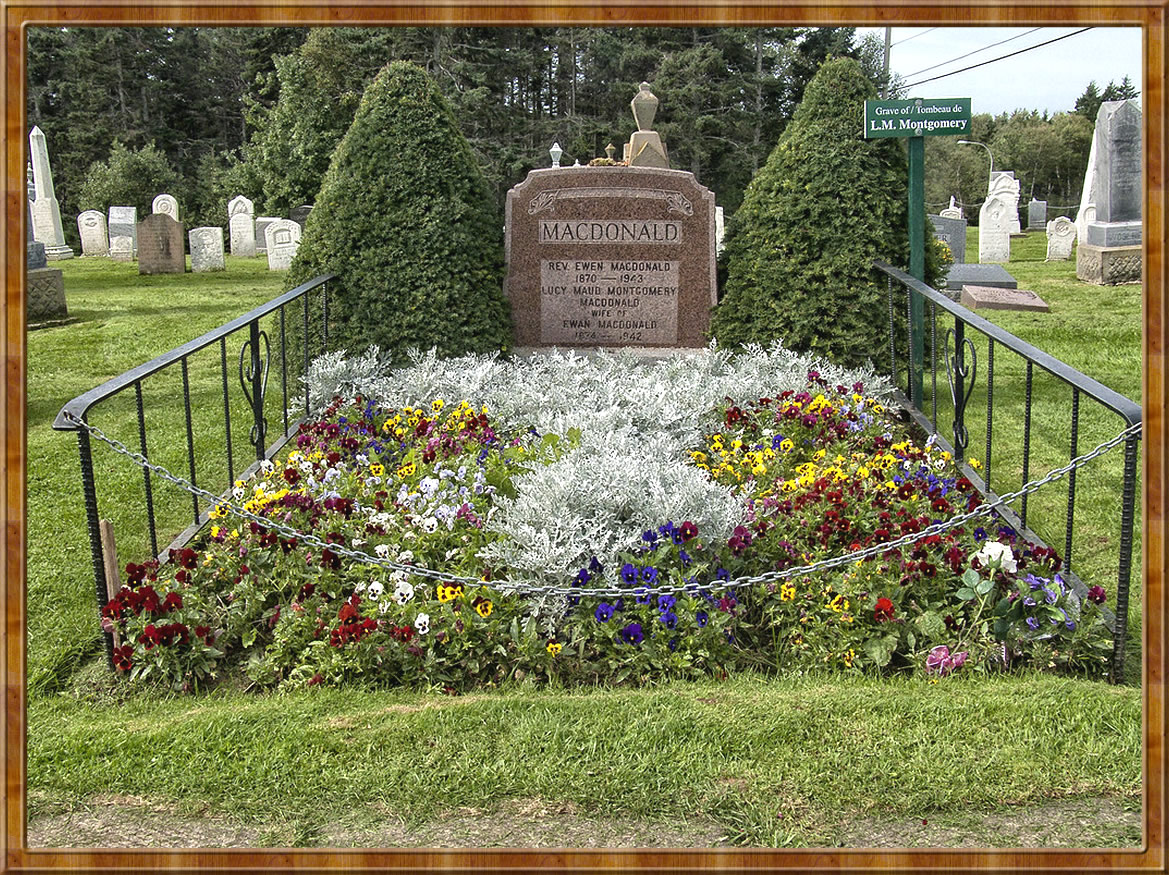
When Lucy Maud Montgomery died on April 24, 1942, she was buried on her beloved Prince Edward Island - the place that had shaped her, inspired her, and become forever linked with her most famous creation.
Today, more than 150 years after her birth, her legacy lives on in extraordinary ways."Anne of Green Gables" has never gone out of print. It has been translated into at least 36 languages. It has sold more than 50 million copies worldwide. Prince Edward Island has become "Anne's Island", drawing hundreds of thousands of visitors every year.
But perhaps her greatest legacy isn't measured in book sales or tourist dollars. It's measured in the generations of readers - especially young girls - who found themselves in Anne Shirley's story. Who saw their own loneliness reflected back at them. Who learned that being different wasn't something to hide, but something to celebrate.
Lucy Maud Montgomery transformed her childhood pain into stories that gave millions of children hope.
She proved that imagination isn't escapism - it's survival. She showed that the lonely child who talks to trees and dreams of belonging can grow up to create something that touches the entire world. From a hatbox to a global phenomenon. From an abandoned toddler to a literary legend. From heartbreak to healing - not just for herself, but for everyone who ever felt like an outsider longing for home.
Thank you, Lucy Maud Montgomery. Thank you for Anne. And thank you for proving that the girl nobody wanted could become the writer the whole world needed.
|